8 Health Signs Your Body Is Telling You You're in a Toxic Relationship
Your body is remarkably intelligent. Long before your mind fully processes what's happening in a toxic relationship, your physical health often sends warning signals. When emotional distress becomes chronic, it manifests through various physical symptoms that shouldn't be ignored. Understanding these health indicators can be the first step toward recognizing an unhealthy dynamic and reclaiming your well-being.
1. Chronic Fatigue That Won't Go Away

Source: Pexels
When you're constantly walking on eggshells or experiencing emotional turbulence, your body remains in a state of heightened alert. This persistent stress drains your energy reserves, leaving you exhausted even after a full night's sleep. You might find yourself struggling to get out of bed, lacking motivation for activities you once enjoyed, or feeling perpetually depleted.
The emotional labor required to navigate a toxic relationship is immense. You're constantly analyzing conversations, managing someone else's moods, and suppressing your own needs. This mental and emotional exhaustion translates directly into physical fatigue that rest alone cannot cure. If you've noticed your energy levels plummeting since entering your current relationship, your body might be signaling something important.
For those seeking guidance on healing from emotionally draining relationships, Toxic Relationship Recovery by Jaime Mahler offers practical strategies for identifying unhealthy patterns and rebuilding your strength.
2. Persistent Headaches and Migraines

Source: Pexels
Tension headaches and migraines frequently accompany relationship stress. When you're constantly anxious about your partner's reactions or bracing for the next conflict, the muscles in your neck, shoulders, and jaw remain tense. This chronic muscle tension can trigger debilitating headaches that interfere with your daily functioning.
The stress hormones flooding your system during repeated arguments or periods of emotional manipulation can also constrict blood vessels, leading to vascular headaches. If you find yourself reaching for pain medication more frequently than before, or if headaches have become your new normal, your body is communicating its distress. These aren't just random occurrences—they're physical manifestations of emotional pain that deserves attention.
3. Digestive Issues and Stomach Problems
Source: Pexels
Your gut is often called your "second brain" for good reason. When you're experiencing relationship stress, your digestive system responds accordingly. Nausea, stomach aches, irritable bowel syndrome, loss of appetite, or stress eating can all stem from the emotional turmoil of a toxic partnership.
The gut-brain connection means that anxiety and fear directly impact your digestive processes. You might notice stomach churning before seeing your partner, unexplained digestive changes, or a complete disruption of your normal eating patterns. Some people lose their appetite entirely, while others turn to food for comfort. Either extreme signals that your relationship is affecting your physical health in measurable ways.
Understanding the connection between emotional abuse and physical symptoms is crucial. Healing from Toxic Relationships by Dr. Stephanie Moulton Sarkis provides evidence-based approaches to recovery from gaslighting and manipulation.
4. Weakened Immune System

Source: Pexels
Have you noticed you're getting sick more often? Chronic stress from toxic relationships suppresses your immune function, making you more vulnerable to colds, infections, and other illnesses. When your body is constantly producing stress hormones like cortisol, it has fewer resources to dedicate to fighting off pathogens.
You might find yourself catching every bug that goes around, taking longer to recover from minor illnesses, or experiencing frequent infections. This isn't coincidence—it's your immune system waving a red flag. Your body cannot maintain optimal defenses when it's constantly dealing with the physiological effects of relationship stress. If you've become the person who's always getting sick, it's worth examining whether your relationship might be compromising your health.
5. Sleep Disturbances and Insomnia

Source: Pexels
Quality sleep becomes nearly impossible when you're in a toxic relationship. Your mind races with worries, replaying conversations, anticipating problems, or strategizing how to avoid conflict. You might lie awake analyzing your partner's behavior, questioning your own perceptions, or feeling anxious about the next day.
Some people experience difficulty falling asleep, while others wake frequently throughout the night or find themselves wide awake in the early morning hours. The hypervigilance required in toxic relationships keeps your nervous system activated even when you should be resting. Without restorative sleep, every other aspect of your health deteriorates, creating a vicious cycle that becomes increasingly difficult to break.
If you're struggling with the aftermath of leaving or recovering from an unhealthy relationship, explore resources like these evening routine habits that support healing to help establish healthier patterns.
6. Muscle Tension and Body Aches

Source: Pexels
Living in a state of constant stress causes your muscles to remain perpetually contracted. This chronic tension manifests as neck pain, back aches, shoulder stiffness, jaw clenching, and generalized body soreness. You're literally carrying the weight of your relationship stress in your physical body.
Many people don't realize they're holding tension until it becomes painful. You might notice your shoulders are constantly hunched, your jaw is clenched throughout the day, or you wake up with a stiff neck. This muscular armor is your body's protective response to feeling unsafe or under threat. When relationship stress is ongoing, these defensive physical patterns become habitual, leading to chronic pain conditions that can persist even after other symptoms improve.
7. Changes in Appetite and Weight

Source: Pexels
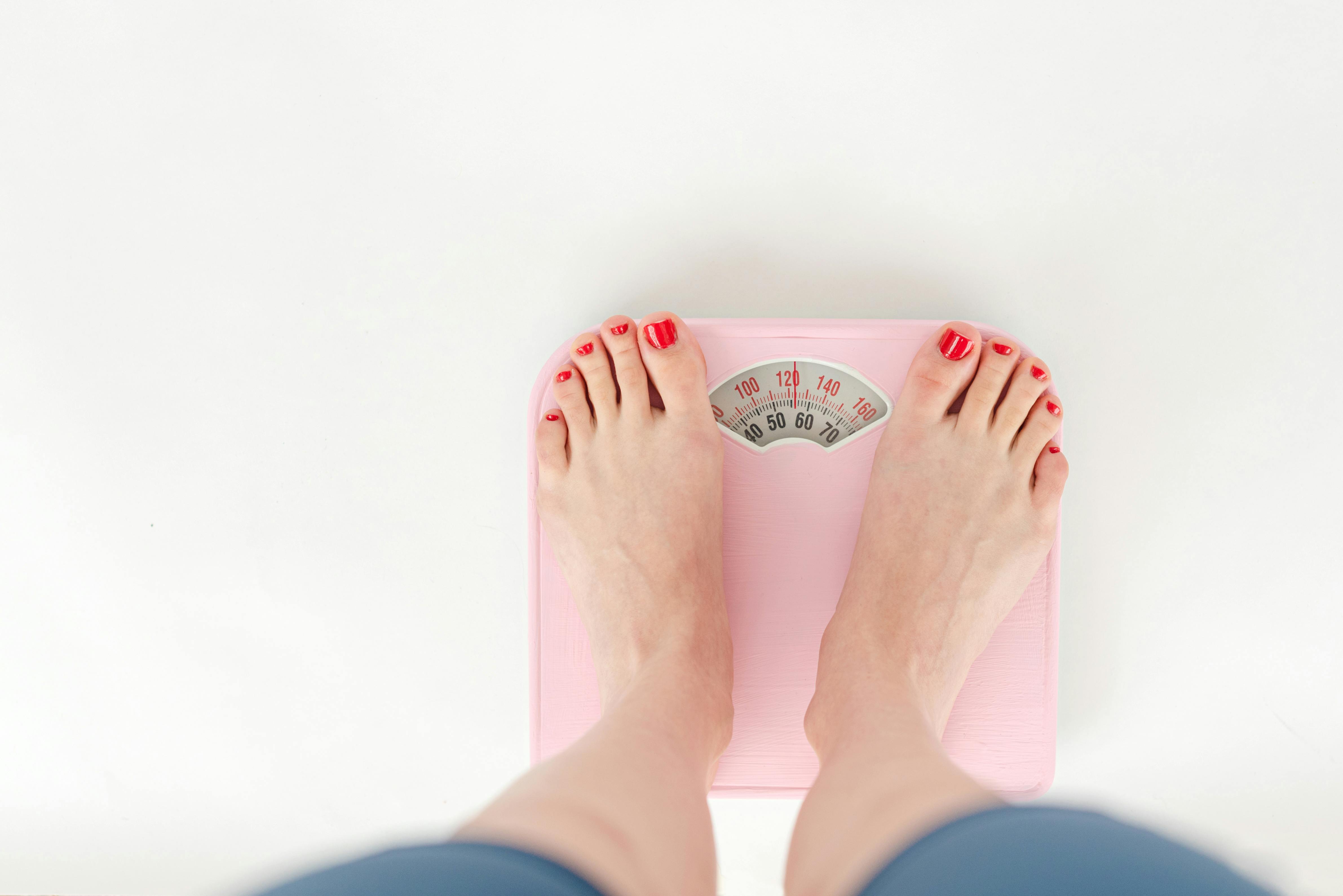
Toxic relationships frequently trigger significant changes in eating behaviors. Some people lose their appetite entirely, finding food unappealing or feeling too anxious to eat. Others turn to food for comfort, using eating as a coping mechanism for emotional pain. Both extremes indicate that your relationship is affecting your fundamental self-care.
Unexplained weight loss or gain can be a direct result of relationship stress. The stress hormone cortisol affects how your body stores fat and processes nutrients. Combined with disrupted eating patterns, emotional eating, or loss of appetite, these hormonal changes can cause noticeable physical transformations. If your relationship with food has dramatically changed since entering your current partnership, your body is communicating important information about your emotional state.
The Essentials of Toxic Relationship Recovery offers a practical framework for understanding how toxic relationships impact your physical health and provides actionable steps toward healing and rebuilding self-esteem.
8. Heart Palpitations and Chest Tightness

Source: Pexels
When you're constantly stressed or anxious about your relationship, your cardiovascular system responds. Heart palpitations, rapid heartbeat, chest tightness, or a feeling of pressure on your chest are common physical manifestations of relationship-related anxiety and stress.
While it's always important to rule out cardiac issues with a medical professional, these symptoms often stem from the fight-or-flight response being chronically activated. Your body cannot distinguish between physical danger and emotional threat—it responds to both with the same physiological reactions. If you experience these symptoms particularly before seeing your partner, during conflicts, or when thinking about your relationship, your body is sending a clear distress signal.
Understanding panic responses and anxiety related to toxic relationships is explored thoroughly in resources like this article about childhood traumas and relationship patterns.
Your Body Knows Before Your Mind Does
Physical symptoms are your body's way of protecting you and drawing your attention to problems that need addressing. While it's easy to rationalize away emotional concerns or minimize relationship issues, physical health problems demand acknowledgment. When multiple physical symptoms appear without clear medical cause, it's worth examining whether your relationship might be the underlying factor.
Recognizing these health signs doesn't mean you're weak or overly sensitive—it means you're human. Your body is designed to alert you when something isn't right. Listening to these signals is an act of self-preservation and self-respect. Whether you choose to work on improving your relationship or decide to leave, addressing the physical toll of relationship stress is essential for your overall well-being.
Recovery is possible, and taking care of your physical health while addressing relationship issues creates a foundation for healing. Consider seeking support from healthcare professionals who understand the mind-body connection, and don't hesitate to reach out to mental health professionals who specialize in relationship trauma.
Recommended Resources
If you're ready to take the next steps toward healing and reclaiming your health, these resources can provide valuable support:
- Toxic Relationship Recovery by Jaime Mahler - A comprehensive guide to identifying toxic partners and healing emotional wounds
- Healing from Toxic Relationships by Dr. Stephanie Moulton Sarkis - Ten essential steps to recover from gaslighting and emotional abuse
- Toxic Relationship Recovery Journal - A therapeutic workbook with prompts, mood trackers, and worksheets for healing
- Toxic Relationships and Trauma Bonding Recovery - Understanding psychological traps and breaking free from destructive patterns
- Toxic Relationship Recovery 2.0 by Kate Heart - Eight steps to reclaim your power and set healthy boundaries
Related Articles from Our Blog:
- 18 Powerful Ways to Stop Idealizing Your Ex
- 11 Small Habits That Helped Me Finally Move Forward
- 10 Journaling Prompts That Saved Me in My Darkest Days
Remember, acknowledging these physical signs is the first step toward positive change. Your health matters, your feelings are valid, and you deserve relationships that nourish rather than deplete you. Trust your body's wisdom—it's been trying to tell you something important.


